Pub Theology 4/9/24 — Believing and seeing

Pete Trumbore • April 8, 2024

This past Sunday was the Second Sunday of Easter, and that meant we were treated to one of those classic biblical stories which has firmly rooted itself in the cultural cortex of believers and non-believers alike. Yes, we’re talking about the story of “Doubting Thomas.”

The story, as related in John’s Gospel, 20:19-31, goes this way. Following the crucifixion, Jesus’s disciples have locked themselves behind closed doors, hiding from the same religious authorities who had put their leader to death just days earlier. The resurrected Jesus then appears to them, they recognize him and rejoice, Jesus blesses them, and then goes on his way.

Thomas (called the Twin) wasn’t with the rest of the disciples at the time, and when they later tell him that they had seen the Lord, he refuses to buy it. And this is where he earns the moniker Doubting Thomas: “Unless I see the mark of the nails in his hands, and put my finger in the mark of the nails and my hand in his side, I will not believe.”

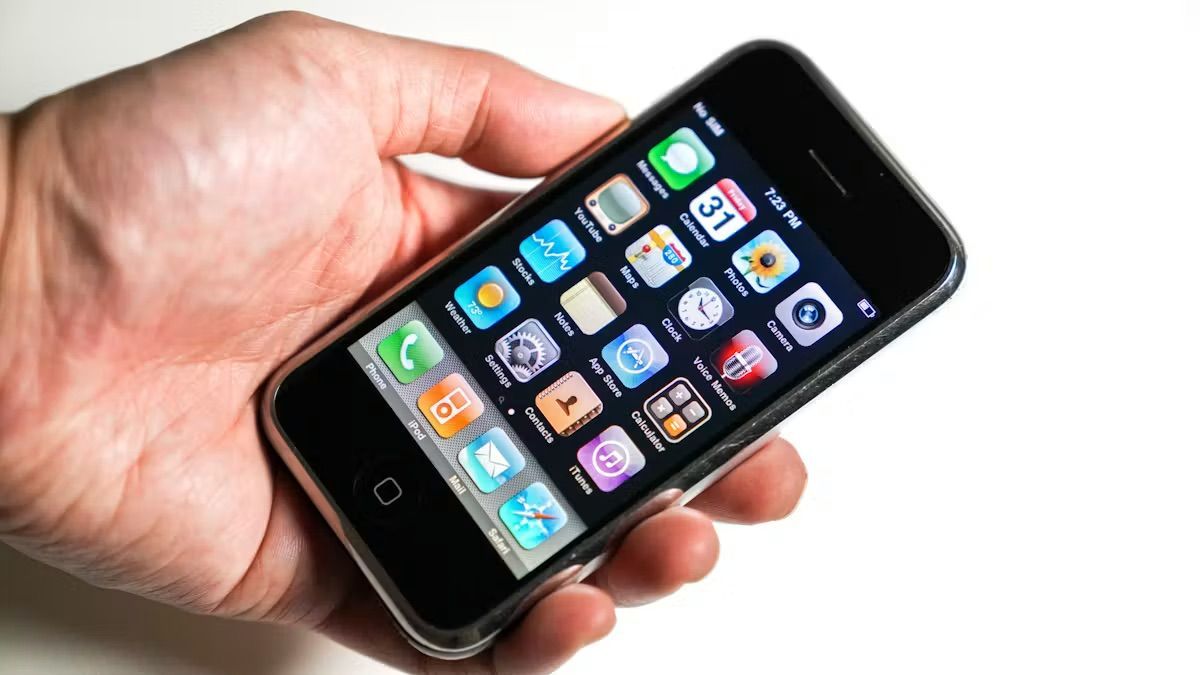
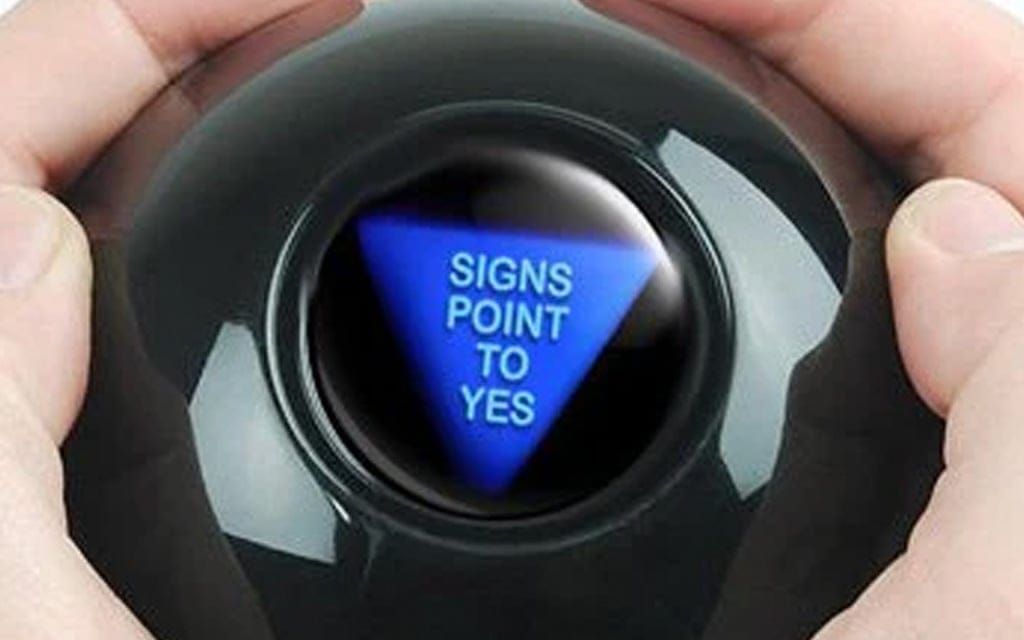
Hearing this in church on Sunday got us thinking about the nature of belief, more specifically, why we believe what we believe. Do we, like Thomas, require tangible proof in order to believe something? Or to believe in someone? Is seeing believing for you?

This is a topic that we’ve spent some time talking about before, but it is worth revisiting. Way back in 2016 we asked whether belief, and the flip side, disbelief, was a matter of choice. In other words, if we can choose to believe in the absence of proof, can we also choose to disbelieve in the presence of proof? Or do we take whatever evidence is there and shape it to fit with our preconceived notions?

This brings to mind the 2003 documentary by acclaimed filmmaker Errol Morris, The Fog of War: Eleven Lessons from the Life of Robert S. McNamara. One of the lessons that McNamara shares, learned from his many years of service in and out of government both before and during the Vietnam War, is this: Belief and seeing are both often wrong. In short, we see what we want to believe.

We’ll be talking about all of this in our conversation this week, Tuesday, April 9. Join us for the discussion starting at 7pm at Casa Real in downtown Oxford.

By Peter Trumbore April 6, 2026
After a longer hiatus than originally planned (due to travel, schedule conflicts, Holy Week, and Easter) we're are back! Just in time to talk about Jesus flipping tables, The story from Matthew's Gospel is a familiar one. And it's part of the larger account of the events of Holy Week. In Matthew 21: 12-13, after his entry into Jerusalem on Palm Sunday, Jesus heads to the Temple where he ... makes a bit of a scene: "The Jesus entered the temple and drove out all who were selling and buying in the temple, and he overturned the tables of the money changers and the seats of those who sold doves. He said to them 'It is written, my house shall be called a house of prayer,' but you are making it a den of robbers." John's Gospel adds the detail of Jesus using his belt as a whip to drive the merchants, money changers, and the sacrificial livestock from the premises. In Mark and Luke, Jesus accuses the Temple authorities of thievery and preying upon the poor who were forced to purchase doves for sacrifice since they couldn't afford lambs. A little historical context is helpful here. Scholars tend to agree that the selling of animals was commonplace for the purpose of making sacrifice, and that the money changers were present to convert the variety of currencies in circulation to the accepted currency for paying Temple taxes. Some analysis suggests that Jesus' act was triggered by the money changers' routine cheating of their customers. Others suggest the Temple establishment sided with the aristocracy and Roman authorities by lending funds from the Temple treasury to the poor who were in danger of losing their land to debt, thus saddling them with an unsustainable burden that had the effect of concentrating even more wealth in the hands of the elite. Finally, there is some speculation that this was the act that precipitated Jesus' arrest and eventual crucifixion. Given that the Gospels all place it in the Holy Week narrative, this seems plausible. In short, this may have been the final straw for the Temple authorities. So what do you think about all this? Is this really the reason for Jesus' persecution and execution? Because he disrupted the "economic model" of the Temple? In other words, what is the meaning of this scene? How do you think it fits into the Gospel narrative, not just of Holy Week, but the whole trajectory of Jesus' ministry? And what lessons do you take away from this episode? A popular sign popped up at the recent "No Kings" protests that took place around the country a few weekends ago: "Don't Sit at Tables Jesus Would Have Flipped." What would those tables be today? We're going to talk all about flipping tables in our conversation this week. Join us tomorrow evening, Tuesday April 7, starting at 7pm at Irish Tavern in downtown Lake Orion. But please refrain from flipping the tables there. We want them to keep inviting us back.
By Andrew Guffey April 5, 2026
This Sunday, all are welcome to join us for a morning of worship and fellowship. Whether you are with us in the sanctuary or joining from afar, your presence strengthens our community. Our service is at 9:30 a.m. We warmly welcome those who cannot attend in person to join us via our live stream.
By Andrew Guffey April 4, 2026
Join us for the Great Vigil of Easter, in person or by livestream. 
By Andrew Guffey April 3, 2026
Join us for our 7 p.m. Go od Friday service, in person, or by livestream.
By Andrew Guffey April 3, 2026
This is a subtitle for your new post
By Andrew Guffey April 3, 2026
A Word from Hans Urs von Balthasar
By Andrew Guffey March 27, 2026
What does glory look like? 
By Andrew Guffey March 26, 2026
This Sunday, all are welcome to join us for a morning of worship and fellowship. Whether you are with us in the sanctuary or joining from afar, your presence strengthens our community. Our service is at 9:30 a.m. We warmly welcome those who cannot attend in person to join us via our live stream.
By Andrew Guffey March 21, 2026
This Sunday, all are welcome to join us for a morning of worship and fellowship. Whether you are with us in the sanctuary or joining from afar, your presence strengthens our community. Our service is at 9:30 a.m. We warmly welcome those who cannot attend in person to join us via our live stream.
By Andrew Guffey March 20, 2026
Exercising patience.